For well over a century, the Macksville Show has been the Nambucca Valley’s “shop window of the district.” It celebrates farming and community, and the volunteers who have kept it going through floods, wars and hard times. This history is drawn from the Association’s own commemorative booklet.
Jump to: 1906–1919 · 1920s–30s · 1940s–50s · 1960s–70s · 1980s–90s · 2000 – today · Ladies Committee
How it began (1906–1919)
The show traces back to 18 September 1906, at a half-yearly meeting of the Nambucca Dairy Company. Chairman Mat Wallace proposed that the district form an agricultural society to encourage better stock breeding and farm produce. Two weeks later the society was formed, with Mr Wallace as its first President. In 1907 Robert Beer took over as President and Mr Wallace became Secretary.
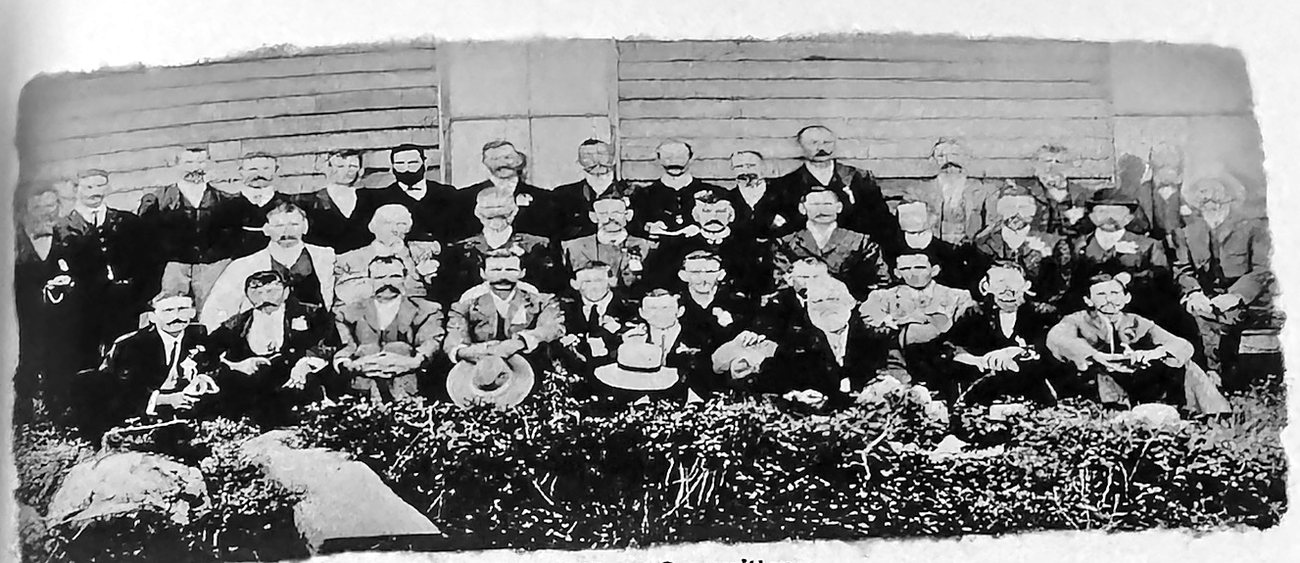
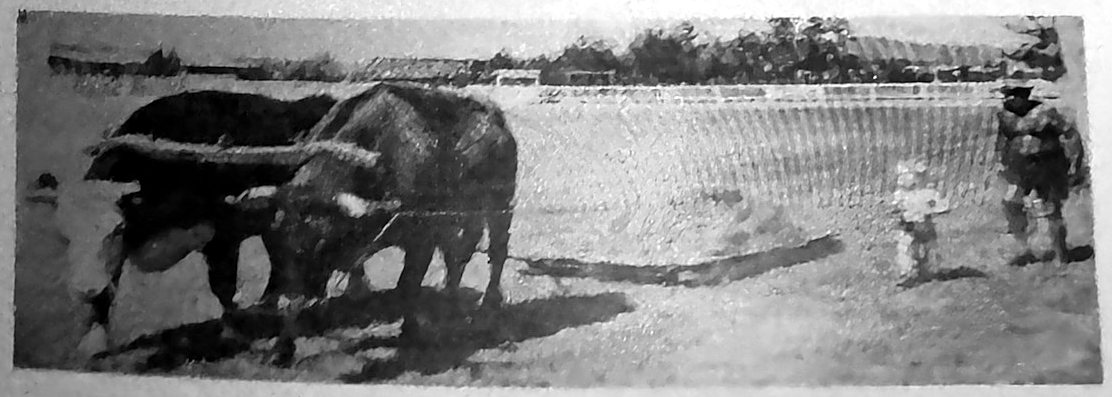
The first show and ploughing match was held on 11–12 April 1907 in Mr Wallace’s paddock behind the Nambucca Hotel in Wallace Street, with the School of Arts serving as the pavilion. A committee of 35 men ran the event, and Mr G. Briner MLA opened it in perfect weather before a large crowd. Exhibits in the pavilion were excellent in every class, and the dairy cattle included a South Coast Shorthorn exhibit. The principal prize takers were W.G. Boulton, R. Provost and Mr Dixon in the dairy cattle, J. Croad, W. McIlwain and J. White in the horses, and G. Wyatt in farm produce.
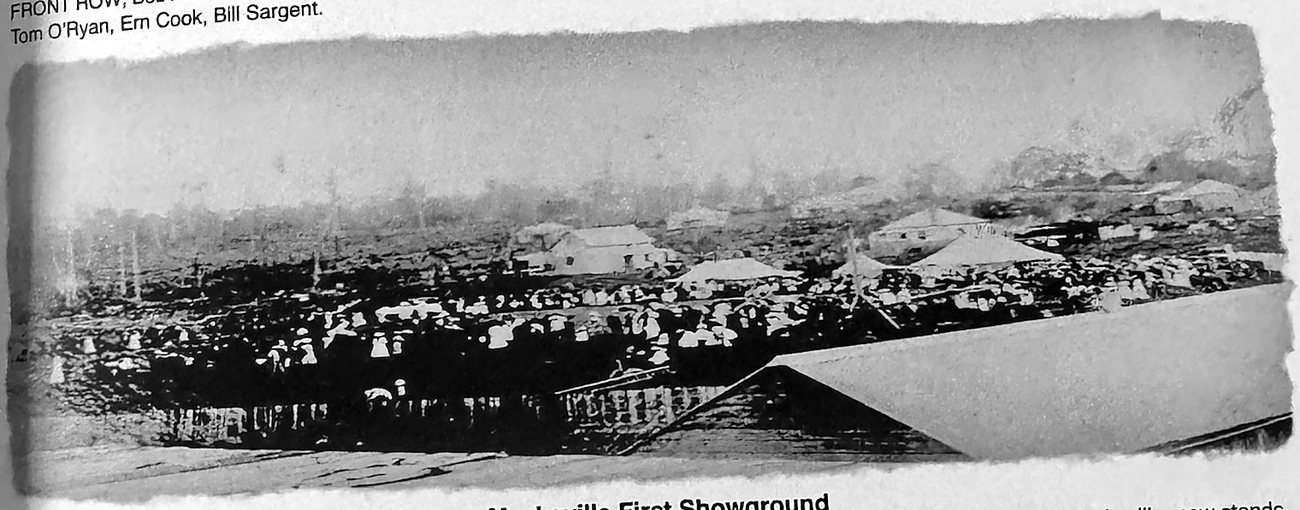
In 1908 the ring moved to higher ground on the corner of Princess and Winifred Streets. The Association then secured a government grant of 8½ acres “a little out of town”, on what is now the Macksville High School site. Volunteers cleared and fenced the land and built a new pavilion for £400, with a spacious gallery running right around the building and a basement used as a dining room. Forming a ring on such rugged ground took a cutting and an embankment. The third show, in 1909, drew more than 2,000 people on its second day, and sideshows included a steam merry-go-round.
The weather was not kind to the next few shows, but the committee lived by the saying “the show must go on”. Concerts were held on the first night in the Friendly Societies Hall, dances or balls on the second night, and annual smoke socials brought committeemen, judges and guests together for speeches and toasts. The district’s dairy industry boomed alongside the show: butter production rose 215% between 1910 and 1914.
Pig pens, cattle pens, an improved ring and a tea tent followed. Only one show was missed during World War I, in 1916.
Growth between the wars (1920s–1930s)
The dairy industry continued to grow, and in 1920 professional cattle judge Mr H. O’Brien was engaged, in the hope of drawing entries from the Manning district. Takings fell in 1921, largely because the show’s dates clashed with Dorrigo and Wauchope. New cattle yards were built in 1922, and in 1923 the committee asked the community to support a concert on the first night and a ball on the second.
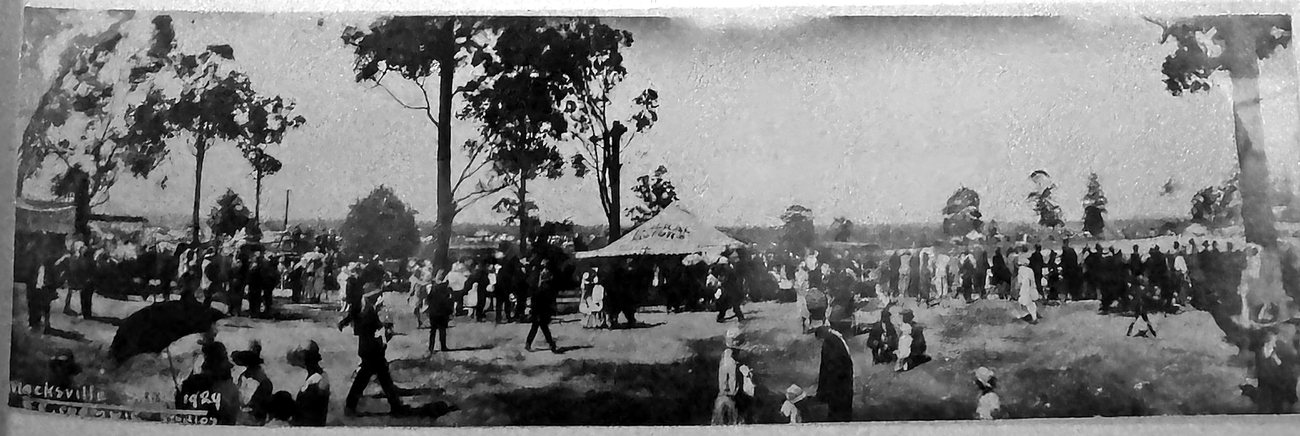
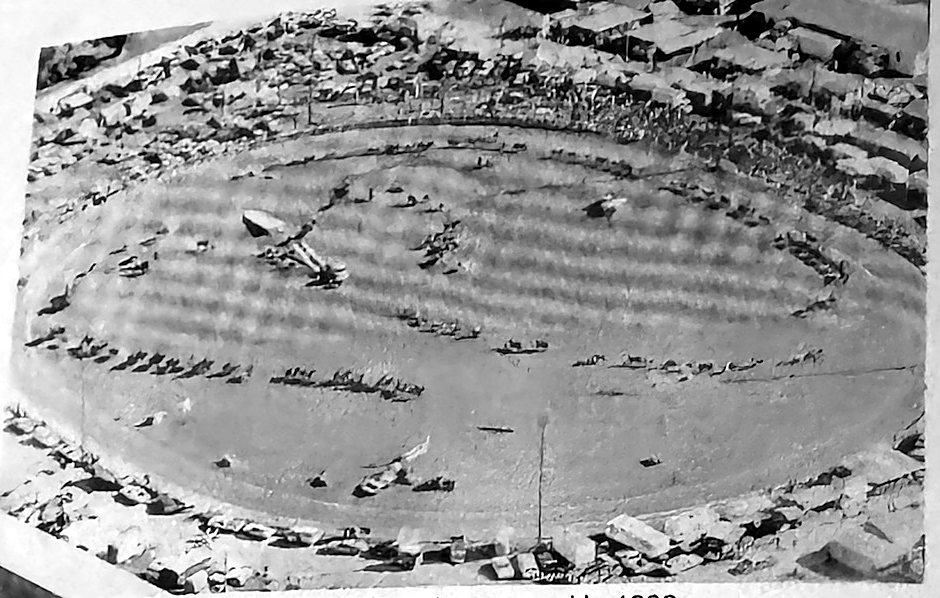
When Roy Vincent MLA opened the 1924 show, he congratulated the committee on turning “the worst showground on the coast” into the best. The crown of the hill had been removed to create a flat ring 300 yards around, at a cost of £966, and up-to-date pig pens were built. A new luncheon room seating 100 followed and the pavilion was enlarged. In 1926 the Nambucca Orchestra and Macksville Brass Band entertained the crowds. By 1927 “horseless carriages” were arriving, and horse entries fell.
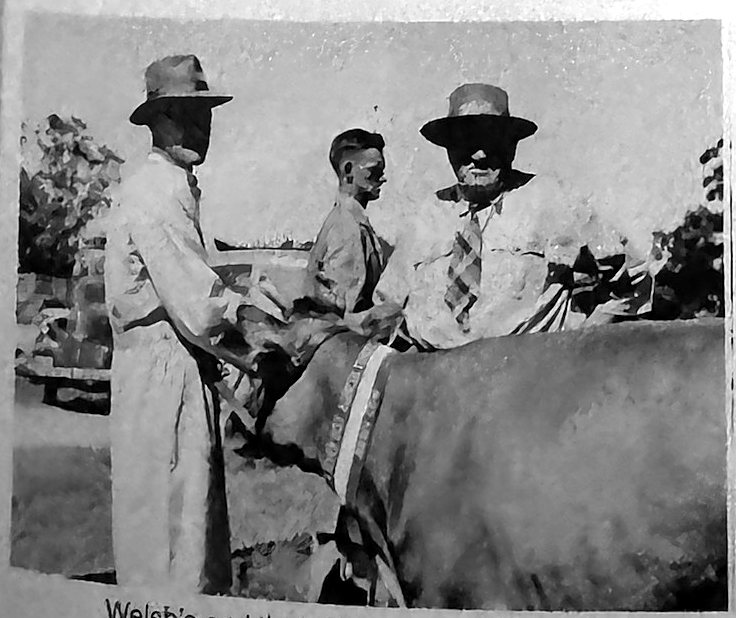
More than three feet of rain fell in 1929, so the committee insured the show against rain for £100, at a cost of £18. Picture shows and the Coles Players’ tent in Wallace Street provided entertainment at night. President Mr Welsh started a beautification scheme, planting ornamental and shade trees, and new cattle pens and poultry accommodation were built.
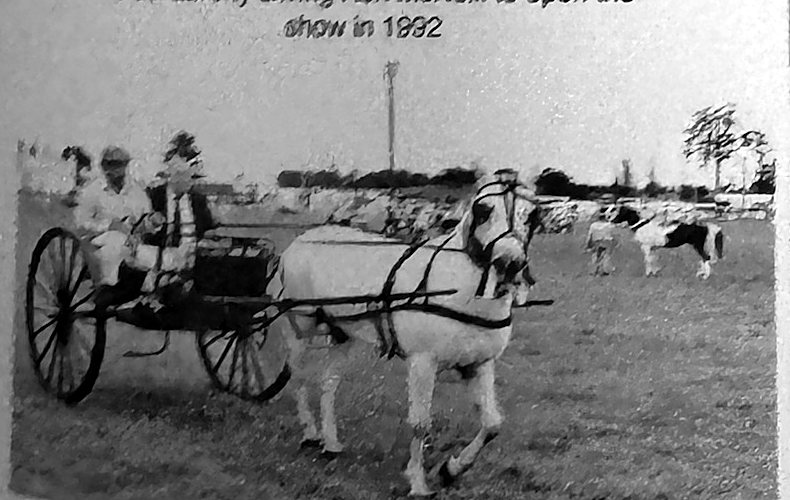
At the 1931 smoke social, Mr Welsh fined anyone who mentioned the word “depression” £1. The 1932 show had record trotting entries, woodchopping contests under the Axemen’s Association and weight-guessing competitions. Steer drafting and rodeo events arrived in 1933, along with a new wood and iron building for the ice cream stall. With the Shire Council’s grader, the trotting track was improved and cycle races began.
In 1935 a new pavilion and a grandstand seating 500 were built, and banana exhibits and district displays were introduced. Amplifiers in the ring let the crowd follow events, and George Poole supplied the broadcasting equipment. In 1939 the Macksville Light Horse Troop thrilled crowds with tent-pegging, hurdling and rescue racing.
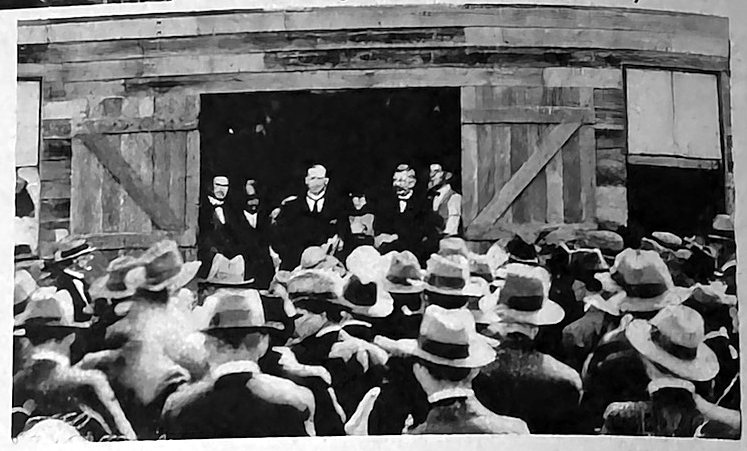
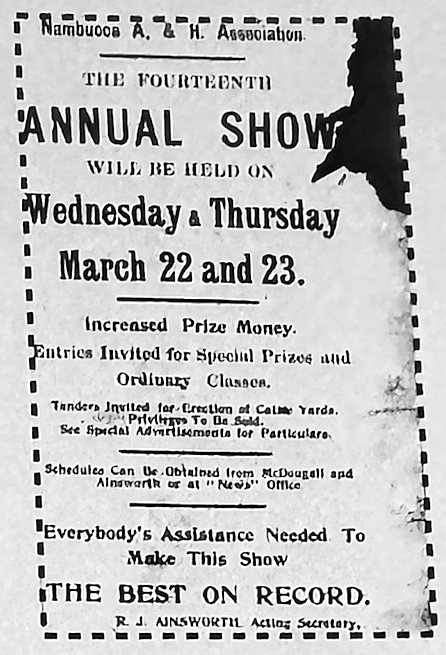
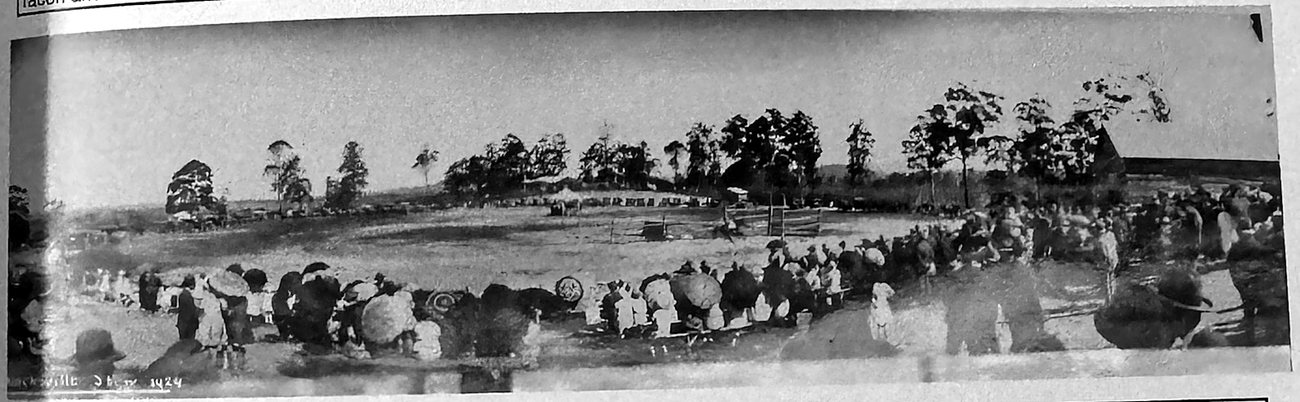
War years and a new home (1940s–1950s)
The 1940 show was washed out, and it was the first time the Association claimed on its rain insurance. The 1941 show went ahead under the motto “We’ll show ’em!”, though only a light luncheon could be offered because there weren’t enough ladies to help. From 1942 to 1946 no shows were held, because the Armed Forces took over the showground. Sports days and autumn carnivals kept the community together instead. The 1945 autumn carnival was a huge success, with a ring programme, woodchops, sideshows and a boxing tent.
The first post-war show was held in April 1947. It moved to a Friday and Saturday, following the Kempsey show so that ring performers could attend both. The 1948 show broke all records. District schools filled one side of the pavilion with an education exhibit, and the banana display was called “the best arranged and most artistic” ever seen at Macksville. After 28 years, Bob O’Connor made his last appearance as ringmaster, having built the show’s reputation for “the best two-day ring programme in the State”.
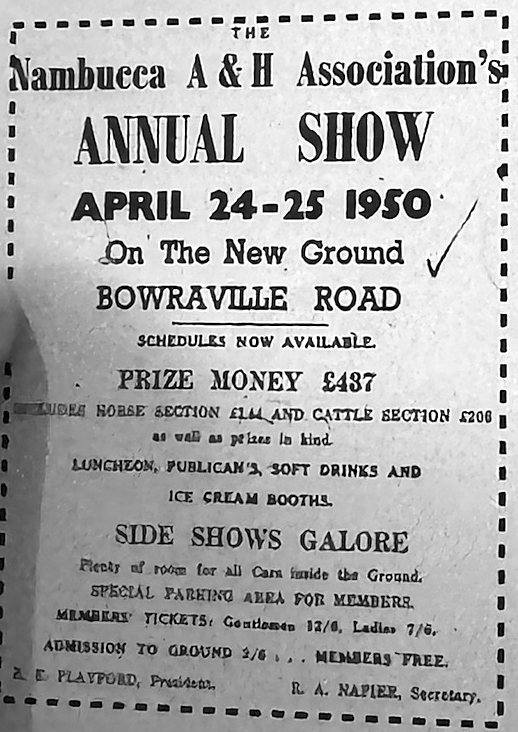
In 1949 the old showground was sold to the Department of Education for the new high school, and the Association bought 23 acres on what is now Rodeo Drive from Mr R.A. Napier. The first show on the new ground, in 1950, ran with temporary yards, marquees and bush toilets, thanks to enormous volunteer effort led by President Ray Playford. The CWA ran the catering and set up a baby centre and rest tent.
In 1951 the R.A. Napier Memorial Pavilion was opened by Mrs Napier in memory of her late husband. George Schaible and his team built it in just ten weeks, working 60-hour weeks. By 1952 the ground had a supper room, band rotunda, stalls for 200 cattle and 40 horses, and a new trotting track for the first year of trots. The show drew nearly 400 dairy cattle entries.
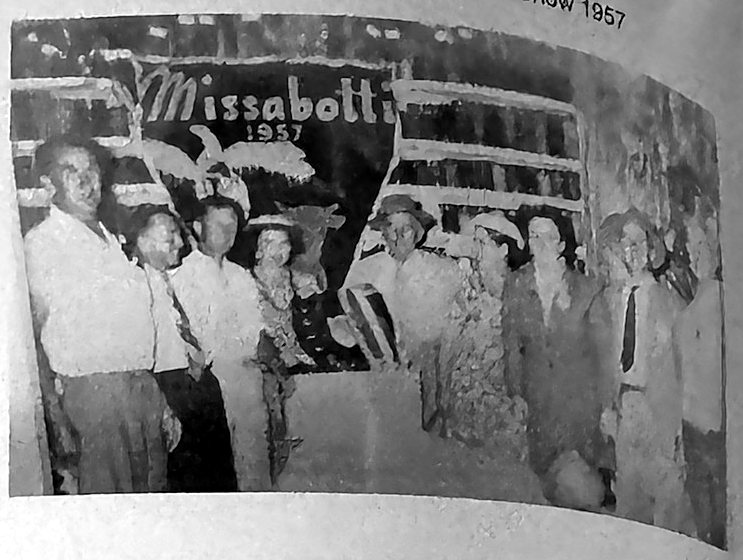
In 1953 the society amalgamated with the Bowraville show to form the Nambucca River District Agricultural Association. By 1954 the buildings on the new ground were worth £8,000. Beef cattle, a dog section, Olympic hurdles and the new Pony Club all joined the show during the 1950s. By 1957 around 6,000 people were attending.
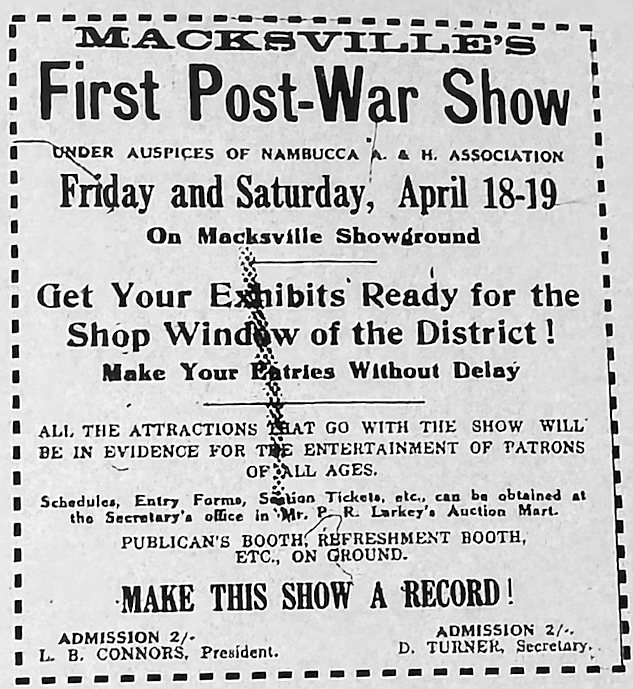
Lights, rodeos and a new company (1960s–1970s)
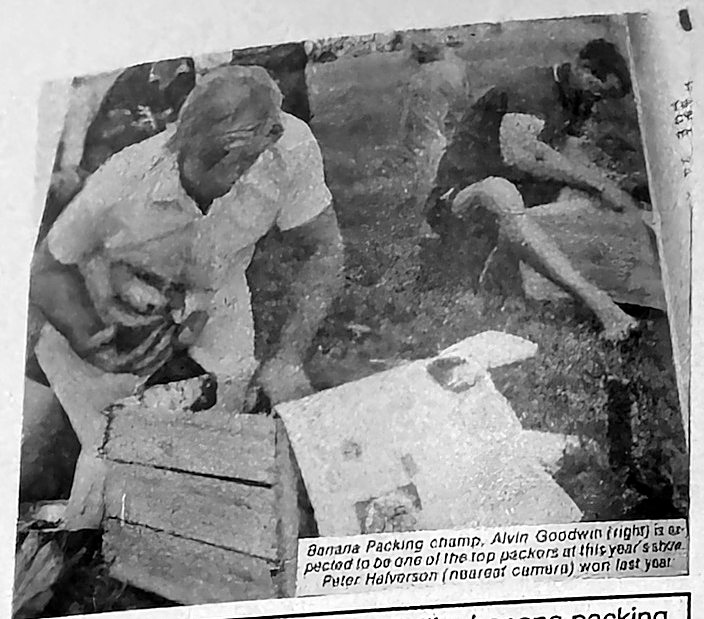
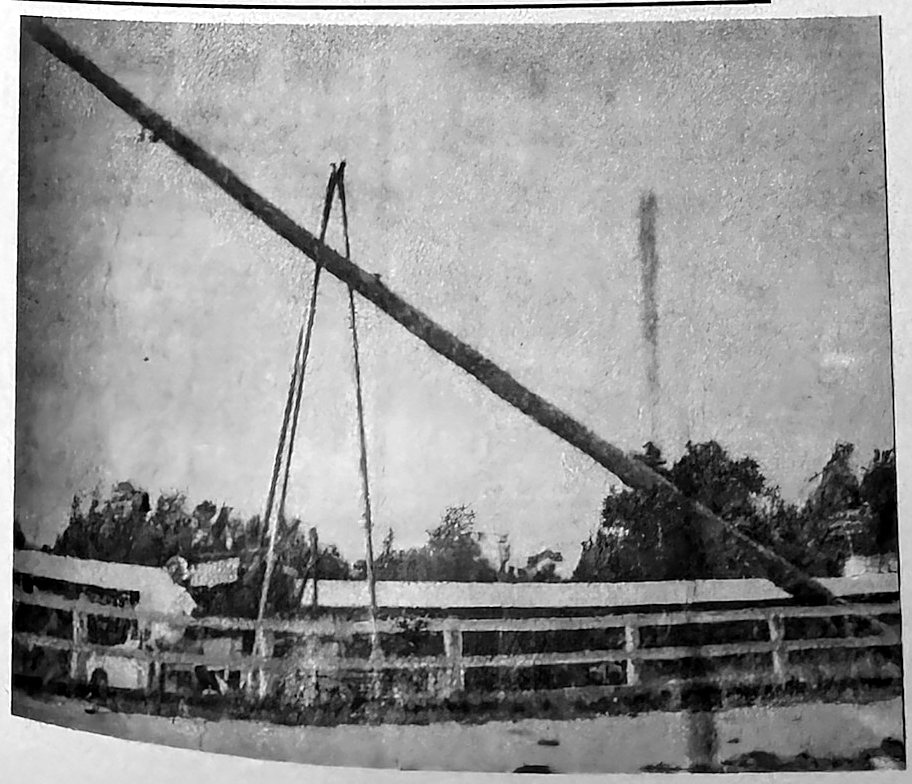
The sixties began with the show’s first polocrosse exhibition match. The 1960 show also introduced a banana packing competition, won by Harold “Duck” Hughes in 8 minutes 22 seconds. For the 1962 Jubilee Show, seven 70-foot light poles were installed at a cost of £9,400. One trots caller described the lighting as “the best he had ever seen on the show circuit and better than the Sydney Royal”. The first night show featured trots, a country and western show with Jimmy Little and Nolene Batley, and a rodeo.
Sadly, the 1963 show, opened by Governor Sir Eric Woodward, was abandoned on the Saturday when floodwaters cut the road to the showground. A further 4.5 acres was purchased in 1964 for sideshows and parking, and the show grew to two days and two nights. Woodchopping remained a popular first-night event, and ex-world champion axeman Albert Donnelly competed that year.
In the late 1960s the Association transferred its land and improvements to the Nambucca Shire Council, which let it borrow at low interest to build a new brick toilet block and extend the power supply. In 1968, 17-year-old Trevor Cowin became ringmaster, a role he would hold for 40 years. A new public address system replaced the one George Poole Snr had run since 1938. In 1970 show takings reached an all-time record.
On 13 April 1971 the Association became a company limited by guarantee, with John Beaney elected president of the board. In 1973 a federal Unemployment Relief grant of $10,938 paid for showground improvements, including painting the pavilion. The new Dog Show, run under NSW Kennel Control, drew 160 entries in its first year, and almost 300 by 1979. Over the decade the district shifted from dairy to beef cattle, and the Jersey section was eventually dropped.
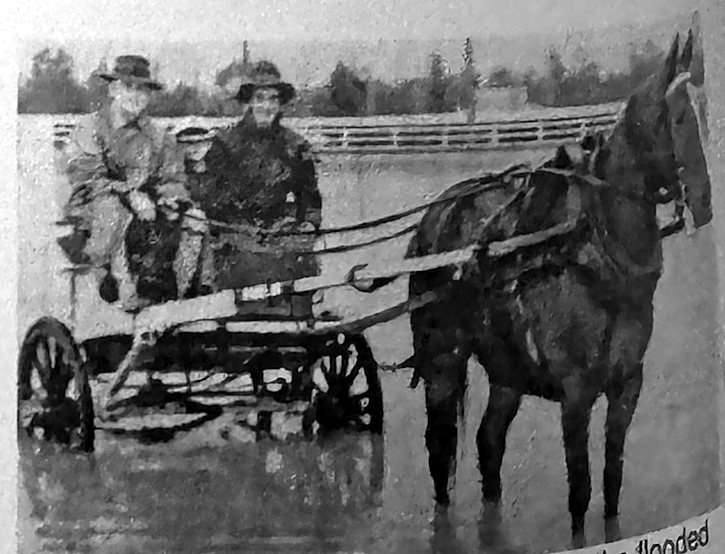
The 1978 show set a record of $21,466 in gross takings. In 1979, 10 inches of rain fell overnight and canoes were paddled around the ring. The show still went on, moved into John Stanton’s shed next door, with spinning, weaving, woodturning, glass blowing and pottery demonstrations keeping visitors dry.
“The biggest little show on the coast” (1980s–1990s)
The 1980 show set a new takings record of more than $27,800. Through the 1980s the show changed from a purely agricultural show into a combination of agricultural show and trade fair. At the 1982 show, George Poole and Co displayed a laser video disc, the first outside Sydney or Melbourne. A craft section for people with disabilities was added to the pavilion.
Weather remained a challenge, and by 1982 the show had been rained on four years running. Draught horses made a revival, led by Cliff Woods and his champion “Prince”. When cardboard cartons replaced wooden banana cases, the banana packing competition gave way to fence post splitting. The ring was reshaped and drained, roads were sealed and the buildings upgraded. Fireworks arrived in 1985 and became a highlight for decades, presented by Christopher Pearson.
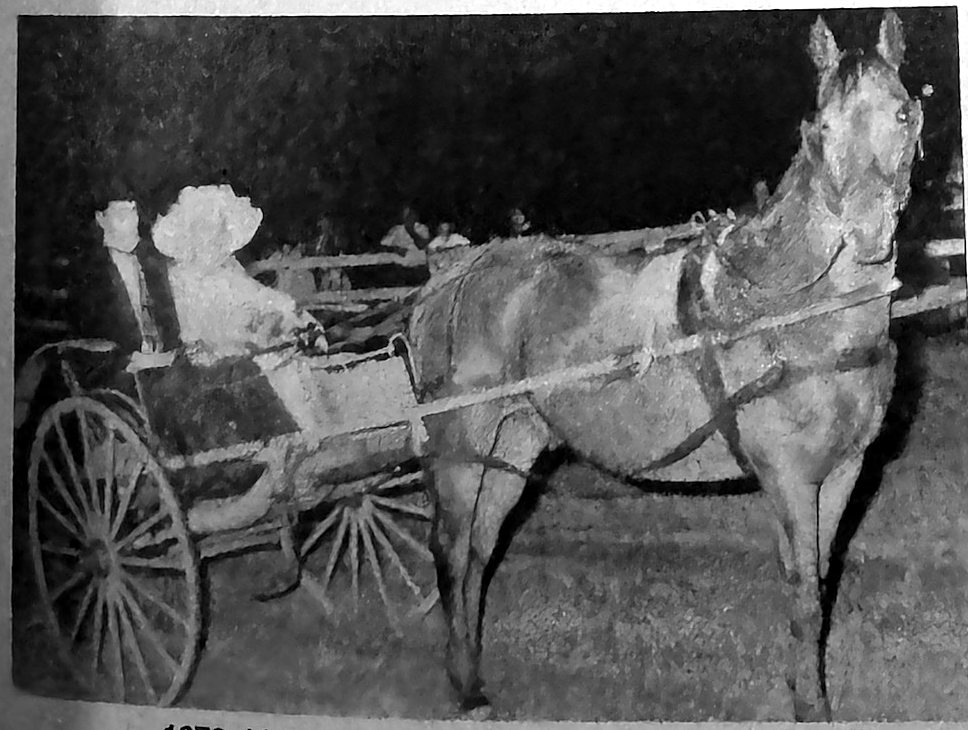
Dairy goats joined in 1986. The 75th show in 1987 was officially opened by Gladys Trisley, founding president of the Ladies Committee, and members rode in a cavalcade of horse-drawn vehicles and vintage cars in the grand parade. In 1989 Peter Trisley became President, taking over from John Beaney after 18 years. The same year the first demolition derby was held, and free buses from Macksville and Nambucca Heads began.
In 1991 a storm tore the roof off the cattle pavilion days before the show. The SES tarped it and the show went ahead, and a new cattle pavilion was built in 1992. Around 300 horses competed in 1996, filling most of the 160 stables. On 13 October 1998 fire destroyed the poultry pavilion, and it was rebuilt in steel in 1999. Gate takings were trending down by the end of the decade, but spirits stayed high, and the Robinson Family Circus came to town in 1999.
Into a new century (2000 – today)
Floods in February and March kept numbers down in 2001, but the Robinson Family Circus entertained everyone who came. A Work for the Dole program improved the paths and added disabled access to the pavilion, and helped replace 65 horse stables in 2000–01. In 2002 trotting ended when the Harness Racing Association banned it at shows.
A Home Brew section was introduced in 2003 and grew to more than 100 entries by 2010. In 2005 the multi-million-dollar Shock Wave ride made its debut, and the Hall Bros Freestyle Motocross riders flew over the showground. Rain kept crowds down in 2006 and 2007, but the photography section drew 300 entries in 2007. The 2008 show thrilled crowds with motocross, lawn mower races, tractor pulling, a demolition derby and cross-cut and chainsaw races.
The 2009 show was hailed as the biggest and best ever. Show Secretary John Harris said that financially it was the most successful show in the event’s history. In 2010 commercial show bag sellers took over from the Ladies Committee. Trotting made a welcome return for the 100th show.
Since 2012, the committee has continued to invest in the showground. New horse stables have been built and older ones replaced, and a full commercial kitchen has been installed in the dining room. All of the underground electrical wiring has been replaced and a new meter room built. A new PA system and security cameras have been installed, and the sale yards have been upgraded. These works mean the showground is well set up for the shows still to come.
The Ladies Committee (1952–2025)
Women have been at the heart of the Macksville Show from the very beginning.
Before the Committee (1913–1952)
As early as 1913, ladies from the Anglican Church ran a Tea Tent selling lunches and refreshments. Over the following decades, catering was shared among many groups: the Red Cross, the Presbyterian and Methodist Ladies, the School of Arts Council, the Macksville CWA, Miss Wardsman, Miss Pratley and Mr H. Gillett. In 1934 a morning tea of tea and biscuits cost 6 pence, luncheon was 2/- and an afternoon tea of cakes and sandwiches was 1/-. Records show the Association had its own ladies group in 1932, led by Mrs Kelsall and Mrs G. Brunsdon. Some years there weren't enough members to keep it going, so the other organisations stepped in.
A committee is formed (1952)
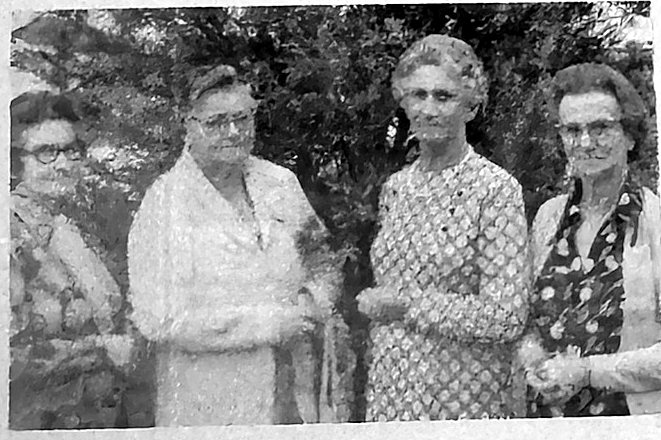
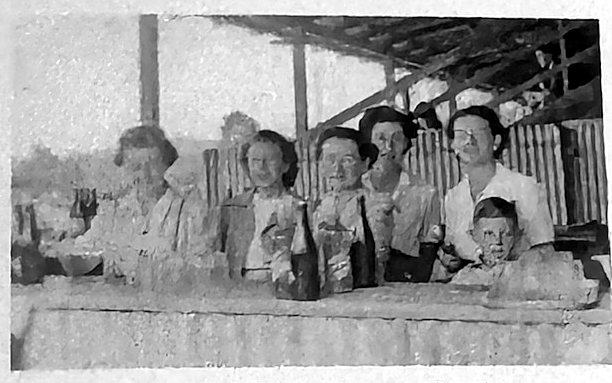
In 1952, President Ray Playford called a meeting to form a Ladies Committee to work for the Association. Six women attended and founded the Macksville Show Ladies Committee: Gladys Trisley, Nell Cowin, Eileen Ainsworth, Enid Playford, Beryl Lynch and Elsie McIlwain. Their first goal was to raise money for a proper luncheon booth.
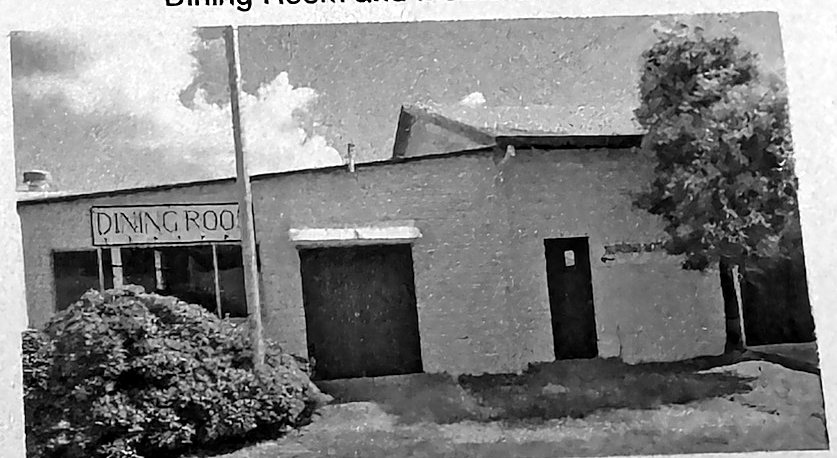
Eleven ladies came to the second meeting and set a membership fee of 1/-. The men of the Association agreed to build a room adjoining the back of the stage. That room is still the Dining Room today, though it has had many facelifts since. By the third meeting sixteen ladies were involved. They asked the Bellingen Show how much food a show luncheon needed, and they canvassed the town, raising £22 in donations along with promises of vegetables, bread and meat.
The first show
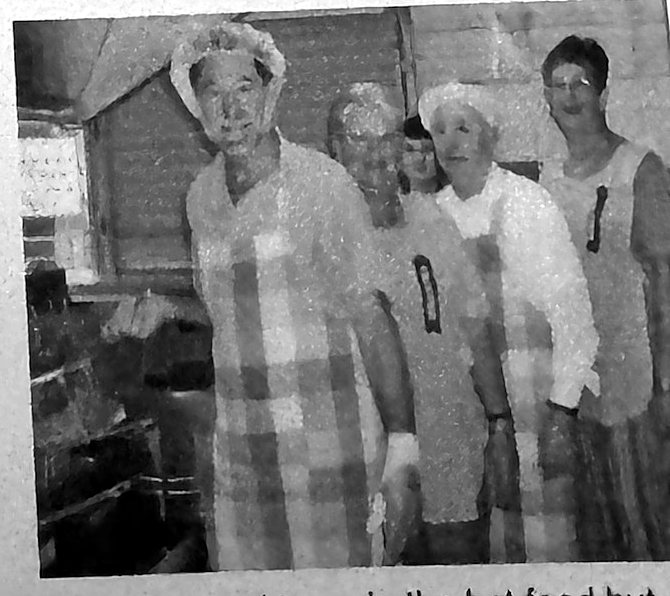
Farmers donated ducks and fowls straight from the yard, which the ladies dressed and cooked themselves. Rumour has it that Mrs Freeman baked and carved a whole sheep and counted every slice. Beryl Lynch gave four dozen bottles of preserved fruit, and the ladies made puddings, custards and mayonnaise by hand. They boiled beetroot in their laundry coppers and potatoes in kerosene tins. Cutlery was hired from Dorrigo and crockery was borrowed from local shops, which cost £2/10/- in breakages.
They catered for 200 people on the first day and 500 on the second. When they called for help, 40 new members joined during the show. Luncheon cost 5/-, sandwiches and tea 2/6 and hot dogs 1/-. The catering was so successful that the ladies donated £400 to the Association as payment for the building.
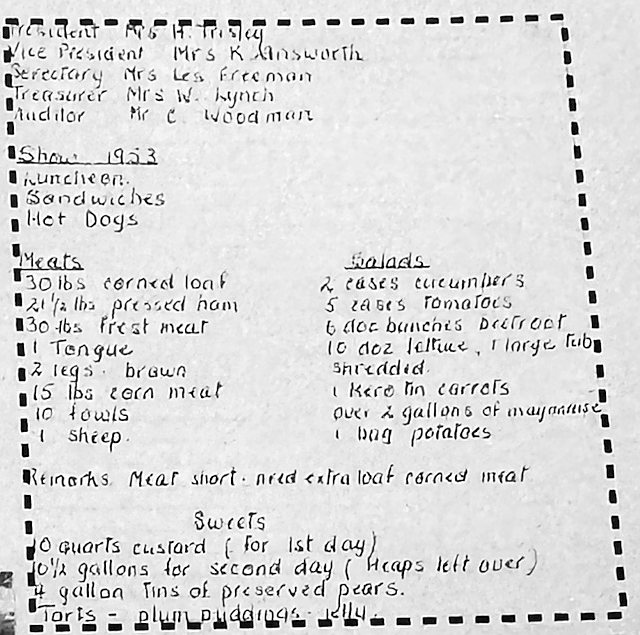
In its first year the committee raised £633, from stalls and sales, social functions, donations and show catering. It gave £423 to the Association, plus £27 for equipment, and still finished the year £97 in credit. For the 1953 show, the ladies' handwritten shopping list included 30 lbs of corned loaf, 21½ lbs of pressed ham, 10 fowls, a sheep, 10 dozen lettuces, more than two gallons of mayonnaise and 10 quarts of custard. Their note at the bottom: "Meat short – need extra loaf corned meat."
More than catering
The committee also catered for rodeos, show balls, weddings and engagements, and ran street stalls to buy cutlery and crockery. The ladies bought several dozen calico sugar bags, then hemmed and bleached them into tea towels. Some of those tea towels were still in use in 1983. Many members held office for decades.
Over the years the money they raised has built and maintained showground facilities. It paid for the kitchen, the dining room, the sandwich stall, the CWA room (later the office), ring lighting, septic toilets and other amenities. In 1971 the committee also bought a caravan for the showground caretaker. In the early 1990s it revived the Show Ball at the showground, catering the night and raising about $2,000.
Show bags (1976–2010)
In 1976, Nell Cowin and her daughter Betty Trisley introduced show bags, sourcing ready-made bags from Sydney suppliers. Kay Donnelly and her helpers spent many hours making up cheaper bags that sold for $2. They were filled with crisps, muesli bars, poppers, toys, balloons and goodies from local banks, and families loved them. From 2000, Show Bag Supervisor Pip Midson ran the stall with the Macksville Lions Club on a half-share basis. New regulations and rising freight costs eventually led the committee to hand show bags over to the Association. The Association now brings in travelling show bag retailers.
Feeding the show today
- The Hot Food Stall began as a stand selling soft drinks, lollies and cigarettes, first run by Mr George Hughes. Milkshakes, hot chips, pies and sausage rolls were added in 1989, followed by hot dogs, ice cups, lasagne and chicken with gravy and peas. Betty Berry worked in the stall for many years, retiring only at 80 because insurance didn't cover older volunteers.
- The Sandwich Stall has always been busy with sandwiches, scones, salad rolls and slices. In the early days, sandwiches were packed in cardboard boxes lined with butcher's paper and kept fresh under wet tea towels. A coffee machine arrived in 2007, to patrons' delight.
- The BBQ was taken over from the Rotary Club in 1991, and volunteers have chopped many kilos of onions for it since. The Cattleman's Breakfast began in 1997 and still runs today.
- The Dining Room serves hot and cold sit-down meals, brought to your table by volunteer waitstaff, along with morning and afternoon teas and homemade cakes. In the early 1950s the kitchen had two large coppers and wooden tables. Today it has electric and gas appliances and stainless steel benches. For many years, Keith and Millie Wilson of Nambucca Heads gave roses free of charge for the dining tables and wall vases.
Every year, women from across the Nambucca district come together to volunteer at these stalls, and for many, show time is a reunion as much as a job.
The Ladies Committee today
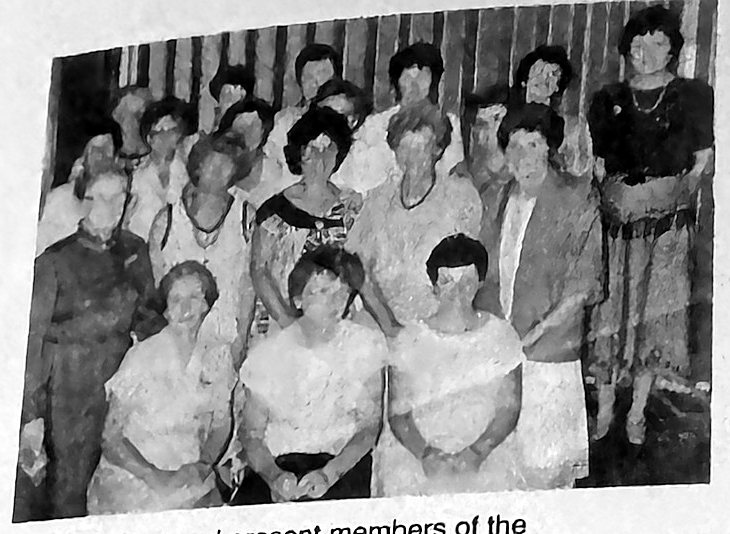
The Ladies Committee ceased in 2025, after more than 70 years of service to the show. Its volunteers still run the Sandwich Hut and the Hot Food Hut at the show to this day.
We are thankful to every volunteer who has been part of the Ladies Committee.